41 molecular orbital diagram khan academy
Sep 2, 2018 — Molecular orbital theory bonding antibonding mo bond order homonuclear diatomic molecules. Molecular orbital diagram khan academy. It covers the ... sp³ hybridization. In sp³ hybridization, one s orbital and three p orbitals hybridize to form four sp³ orbitals, each consisting of 25% s character and 75% p character. This type of hybridization is required whenever an atom is surrounded by four groups of electrons. Created by Jay. This is the currently selected item.
Permalink. I would also greatly appreciate a series on this topic. (Lewis,) VSEPR, Valence Orbitals and MO. In MO theory explaining bonding, anti bonding, and non bonding orbitals in general and how to fill the electrons in the orbitals. Between molecules like N2, O2 and others like HF.
Molecular orbital diagram khan academy
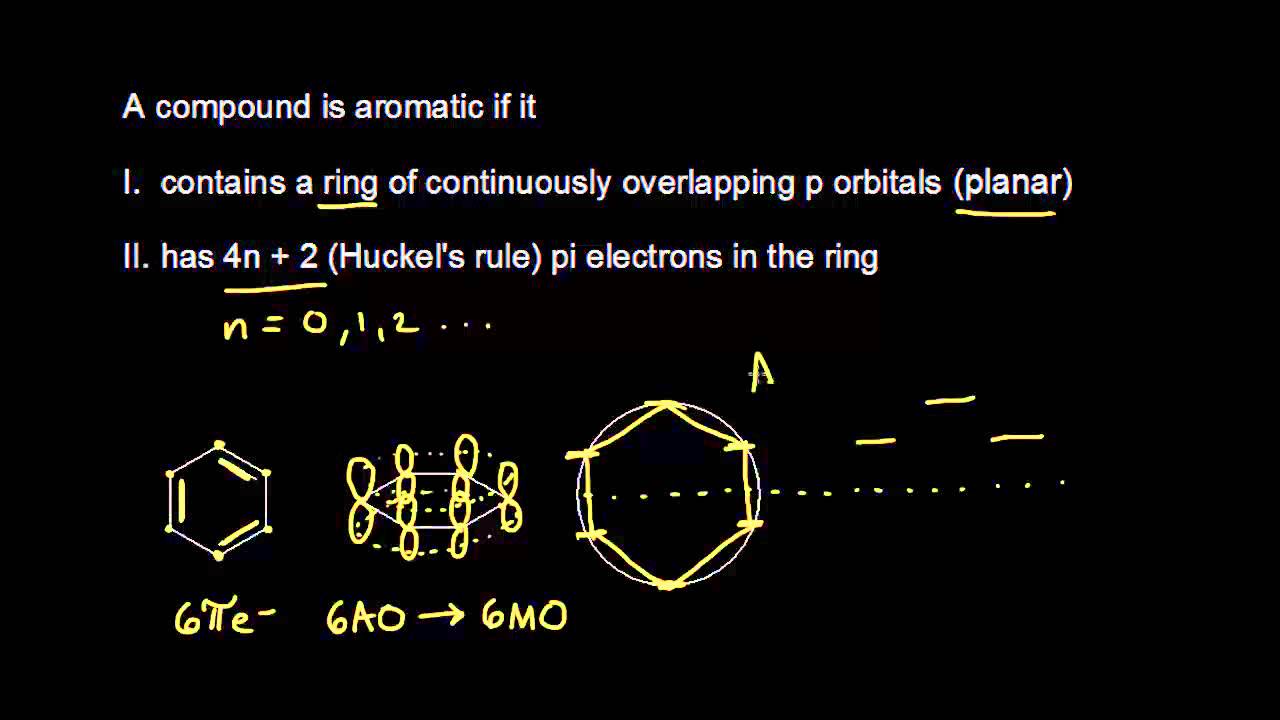
The electrons in an atom are arranged in shells that surround the nucleus, with each successive shell being farther from the nucleus. Electron shells consist of one or more subshells, and subshells consist of one or more atomic orbitals. Electrons in the same subshell have the same energy, while electrons in different shells or subshells have different energies. Molecular orbital Diagram Khan Academy. the periodic table electron shells and khan academy the bohr model and atomic orbitals using an element s position in the periodic table to predict its properties electron configuration and reactivity representing structures of organic molecules khan academy to log in and use all the features of khan ... The molecule 1,3,5-hexatriene contains six p orbitals which all overlap but in a linear fashion. As with benzene, this overlap creates 3 stabilized bonding molecular which are completely filled with six p electron. As expected, the conjugation creates a marked increase of stability in 1,3,5-hexatriene but not as much as in benzene.
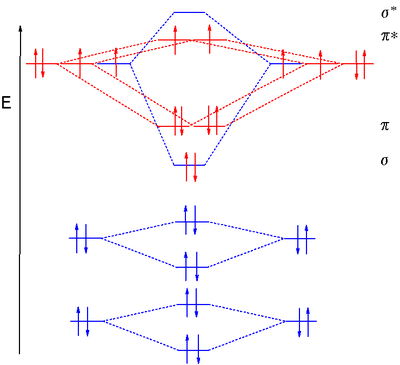
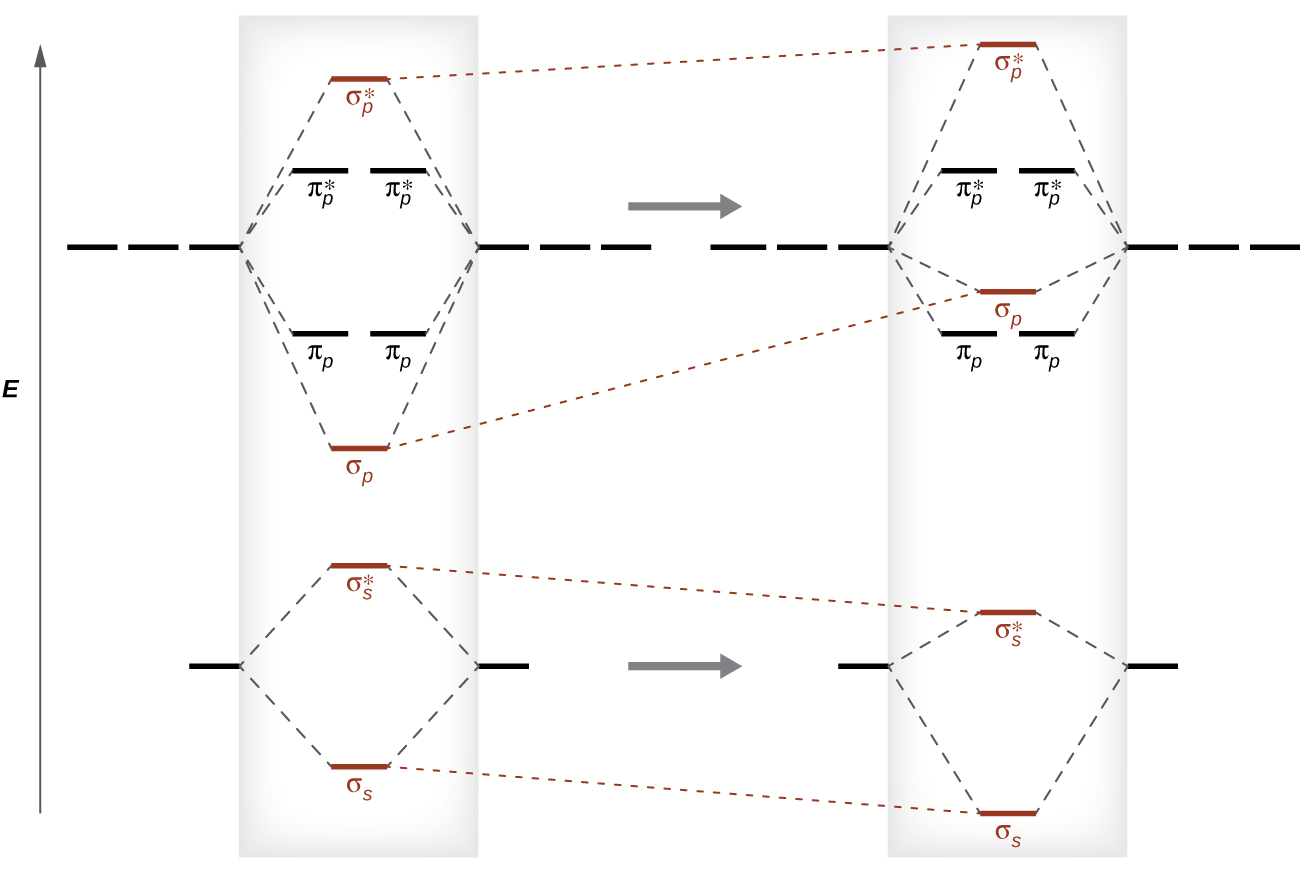
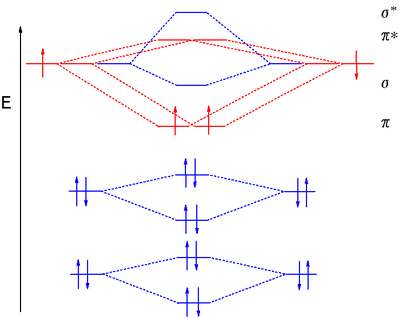
Molecular orbital diagram khan academy. The atomic orbitals combine to produce the following molecular orbital diagram: Here the 2 p g orbital is occupied by two electrons to give a total bond order of three. This corresponds well with the Lewis structure ( ), although the orbital approach tells us that there is one s and two p . Donate here: http://www.aklectures.com/donate.phpWebsite video link: http://www.aklectures.com/lecture/bonding-and-antibonding-molecular-orbitalsFacebook lin... Formation of Molecular Orbitals. An atomic orbital is an electron wave; the waves of the two atomic orbitals may be in phase or out of phase. Suppose Ψ A and Ψ B represent the amplitude of the electron wave of the atomic orbitals of the two atoms A and B. Case 1: When the two waves are in phase so that they add up and amplitude of the wave is ... Bonding and antibonding orbitals are illustrated in MO diagrams, and are useful for predicting the strength and existence of chemical bonds.
So this is how the hydrogen orbital and the carbon orbitals get mixed. The hydrogens 1s orbital bonds with-- well, each of the hydrogen's 1s orbital bonds with each of the carbon's sp3 orbitals. Just so you get a little bit more notation, so when people talk about hybridized sp3 orbitals, all they're saying is, look, carbon doesn't bond. Khan Academy orbitals. in a previous video we've introduced ourselves to the idea of an orbital that electrons don't just orbit a nucleus the way that a planet might orbit a star but really in order to describe where an electron is at any given point in time we're really thinking about probabilities where it's more likely to be found and less likely to be found and an orbital is a description ... 5.3: Heteronuclear Diatomic Molecules. Diatomic molecules with two non-identical atoms are called heteronuclear diatomic molecules. When atoms are not identical, the molecule forms by combining atomic orbitals of unequal energies. The result is a polar bond in which atomic orbitals contribute unevenly to each molecular orbital. 1. In molecular orbital theory, a covalent bond is formed whenever two atoms overlap all of their orbitals, regardless of whether they are valence orbitals or not, to create bonding and antibonding orbitals. 2. Yes, this is found in p subshells when forming homonuclear molecules with some atoms.
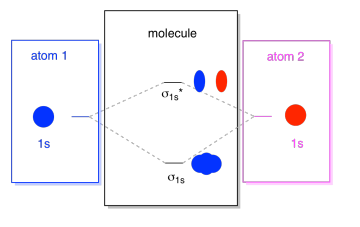
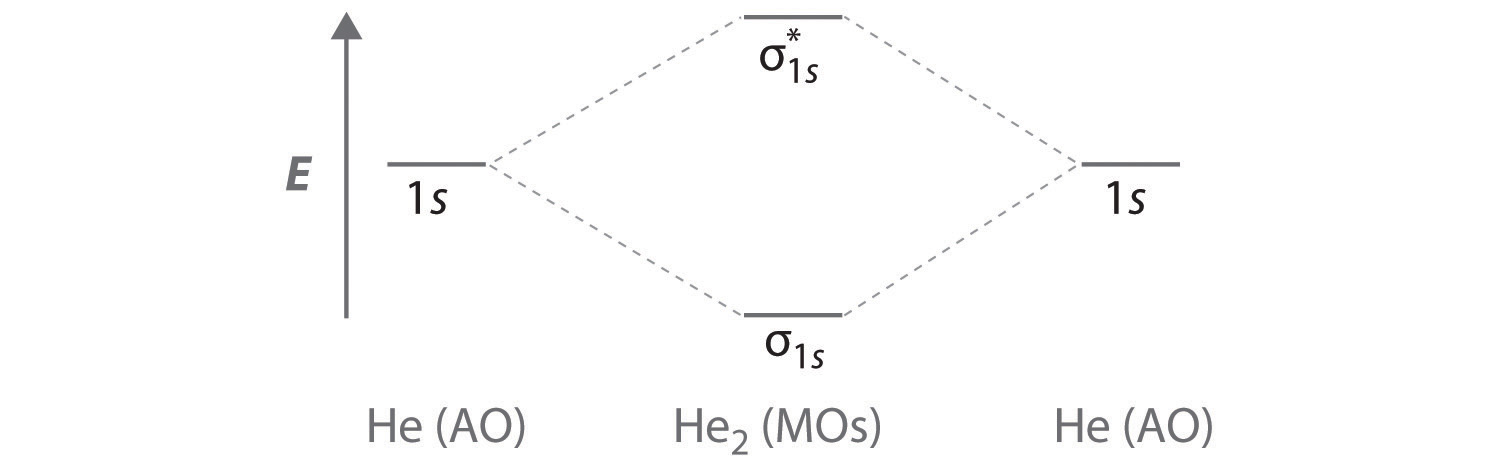
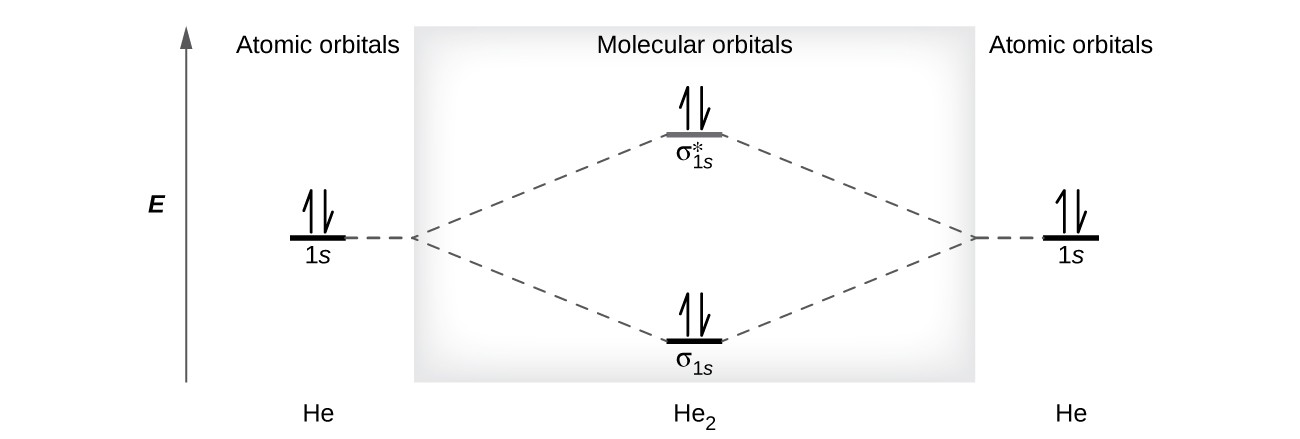
As two H nuclei move toward each other, the 1s atomic orbitals of the isolated atoms gradually merge into a new molecular orbital in which the greatest electron density falls between the two nuclei. Since this is just the location in which electrons can exert the most attractive force on the two nuclei simultaneously, this arrangement constitutes a bonding molecular orbital. Attention! This video about molecular orbitals is much better: https://www.youtube.com/watch?v=I2k61JMk71MAlright, let's be real. Nobody understands molecula... Molecular orbital theory is concerned with the combination of atomic orbitals to form new molecular orbitals. These new orbitals arise from the linear combination of atomic orbitals to form bonding and antibonding orbitals. The bonding orbitals are at a lower energy than the antibonding orbitals, so they are the first to fill up. This is a very basic introduction to molecular orbital theory. It covers the basics of how to solve for bond order. The intuition of bond order, orbital conf...
3 3 4 Assembling A Complete Mo Diagram Chemistry Libretexts
Consider two atoms A and B which have atomic orbitals described by the wave functions Ψ A and Ψ B. If the electron cloud of these two atoms overlaps, then we can obtain the wave function for the molecule by a linear combination of the atomic orbitals Ψ A and Ψ B. The below equation forms two molecular orbitals. Ψ MO = Ψ A + Ψ B.

Molecular Orbital Diagram Wikipedia
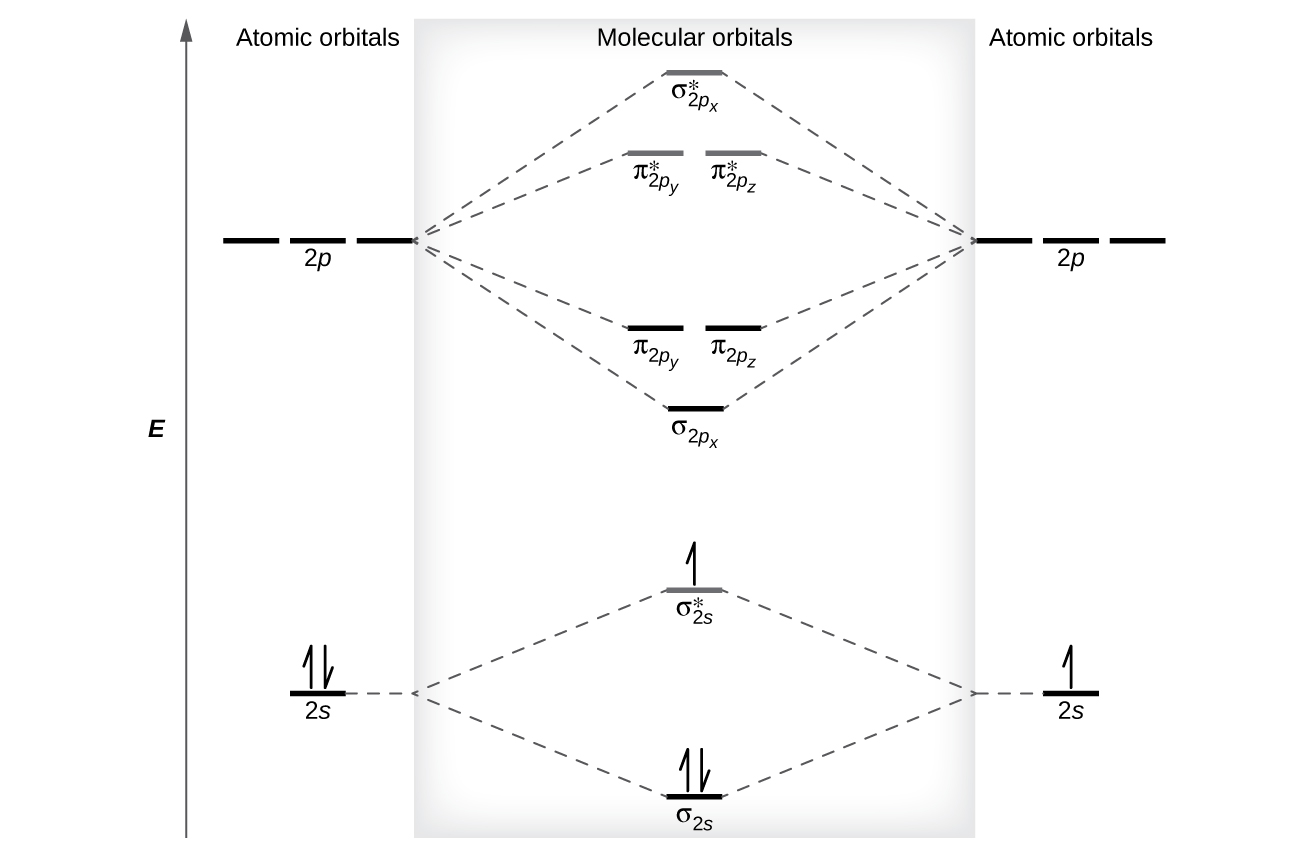
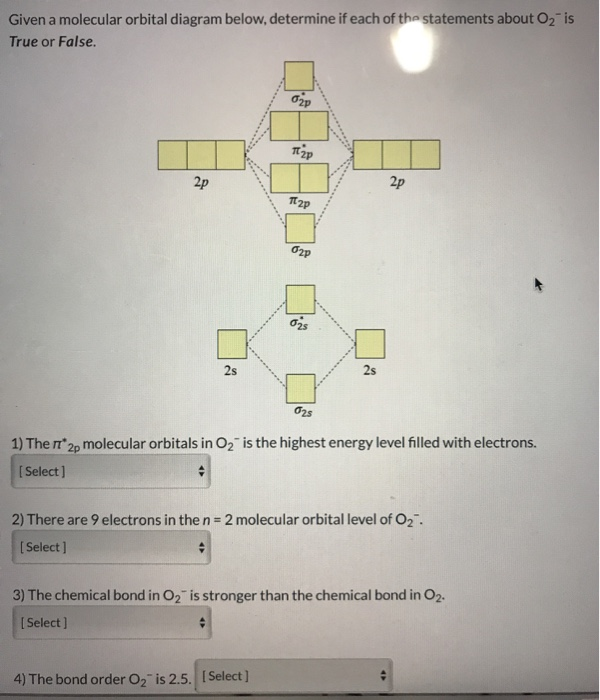
Molecular Orbitals of the Second Energy Level. The 2s orbitals on one atom combine with the 2s orbitals on another to form a 2s bonding and a 2s * antibonding molecular orbital, just like the 1s and 1s * orbitals formed from the 1s atomic orbitals. If we arbitrarily define the Z axis of the coordinate system for the O 2 molecule as the axis along which the bond forms, the 2p z orbitals on the ...
Molecular Orbital Diagram Wikipedia
Molecular Orbital Diagrams simplified. Megan Lim. Oct 26, 2016 · 3 min read. Drawing molecular orbital diagrams is one of the trickier concepts in chemistry. The first major step is understanding ...

Sp Hybridization Hybrid Orbitals Chemical Bonds Video Khan Academy
The anti bonding molecular orbital is higher in energy than the bonding molecular orbital. ... Even khan academy couldn't explain it well! Thank you!

Molecular Orbital Diagram Wikipedia
Molecular orbital Diagram Khan Academy. molecular orbitals are usually obtained by, molecular orbitals in oxygen, molecular orbital diagram for o2, orbital molecular enlazante y antienlazante, molecular orbital diagram for f2, molecular orbital picture of pyridine, molecular orbital questions, molecular orbital examples, molecular orbital ...
8 4 Molecular Orbital Theory Chemistry Libretexts
sp hybridization. In sp hybridization, one s orbital and one p orbital hybridize to form two sp orbitals, each consisting of 50% s character and 50% p character. This type of hybridization is required whenever an atom is surrounded by two groups of electrons. Created by Jay. This is the currently selected item.
Molecular Orbital Mo Theory Simplified For Sigma And Pi Bonds Youtube
To answer such questions different theories and concepts have been put forward from time to time. In this fourth unit of class 11 chemistry, we can answer the above questions by learning Kössel-Lewis approach, Valence Shell Electron Pair Repulsion (VSEPR) Theory, Valence Bond (VB) Theory and Molecular Orbital (MO) Theory.

Differentiated Chemistry
Draw the molecular orbital diagram shown to determine which of the following is paramagnetic. B_2^2+, B2, C_2^2-, B_2^2- and N_2^2+ b. Draw the Lewis structures and molecular orbital diagrams for ;
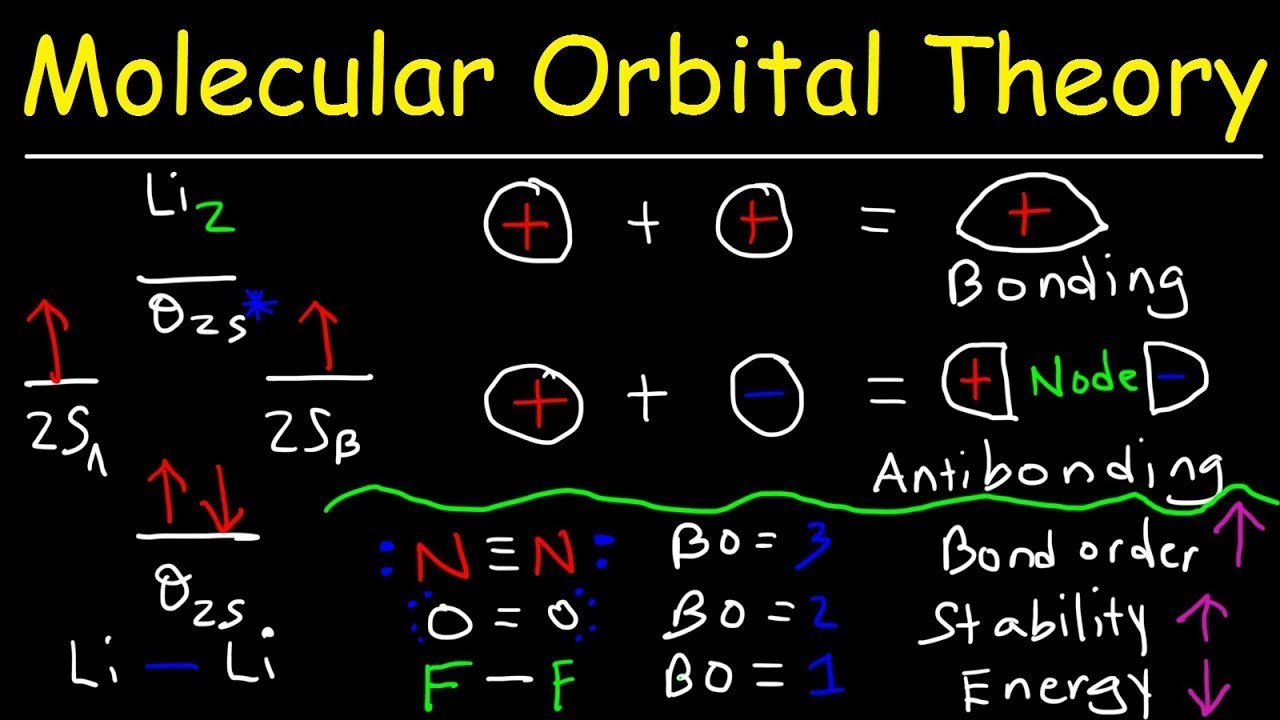
Molecular Orbital Theory Bonding Antibonding Mo Bond Order Youtube
The valence shell electron-pair repulsion (VSEPR) model is used to predict the shapes of molecules and polyatomic ions. VSEPR is based on the idea that the "groups" or "clouds" of electrons surrounding an atom will adopt an arrangement that minimizes the repulsions between them. In this video, we look at examples of molecules in which there are two groups of electrons around the ...
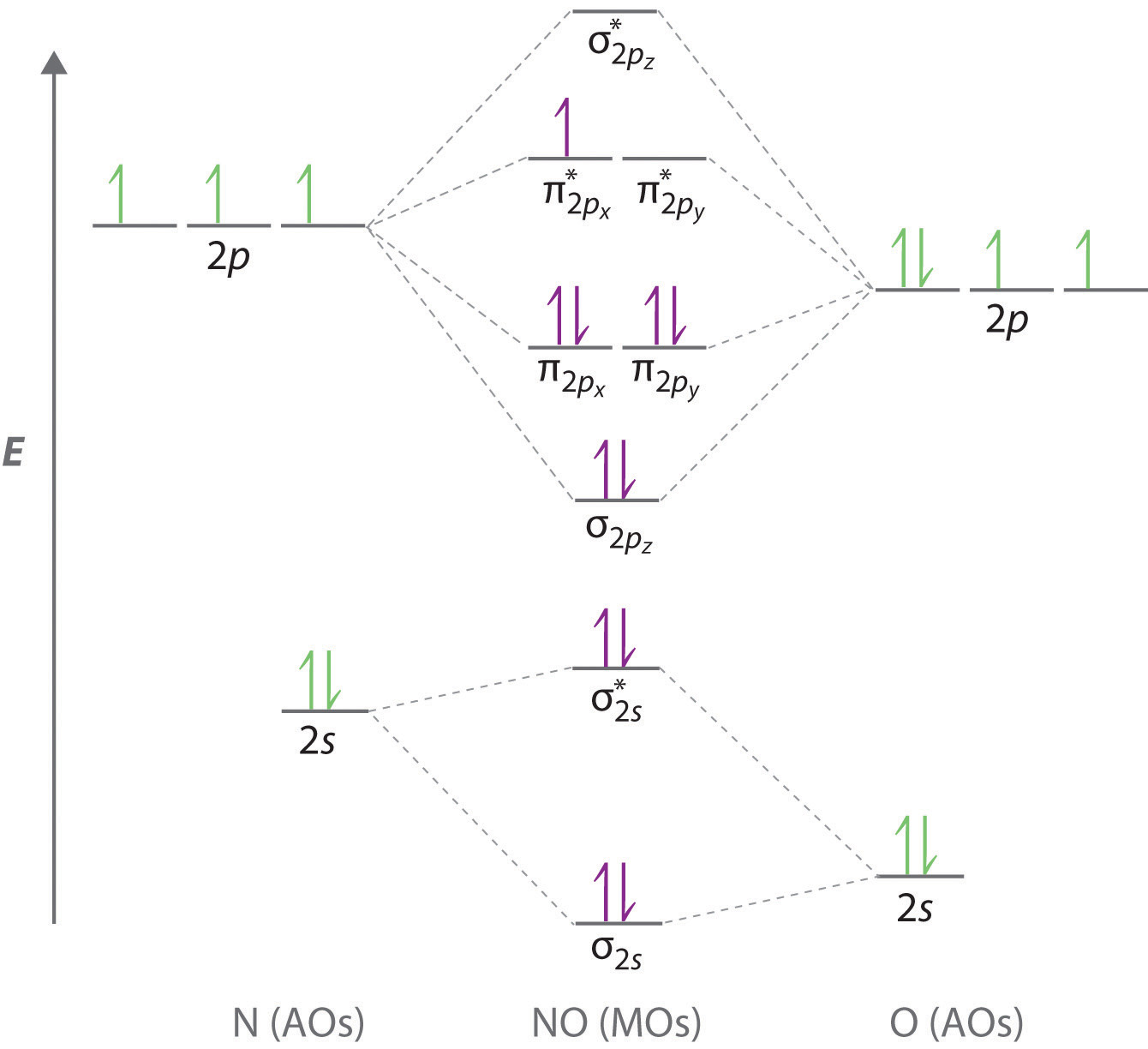
Delocalized Bonding And Molecular Orbitals
7.3: How to Build Molecular Orbitals. The molecular orbital (MO) theory is a powerful and extensive approach which describes electrons as delocalized moieties over adjacent atoms. The applications of the MO theory extend beyond the limitations of the Valence Shell Electron Pair Repulsion (VSEPR) model and the Valence Bond theory.
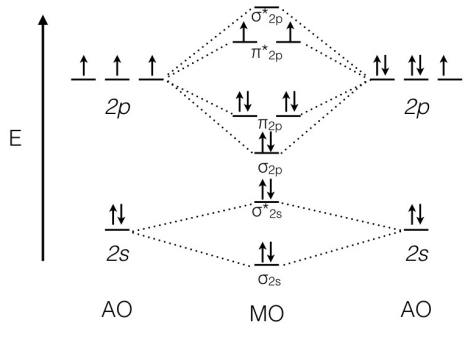
Solution Utilize The Molecular Orbital D Chemistry
Molecular orbital. source : chemed.chem.purdue.edu. Relationship between Electronic configuration and Molecular behaviour : 1) Bond order : It is defined as the number of covalent bonds between the two combining atoms of a molecule.

Molecular Orbital Theory General Chemistry
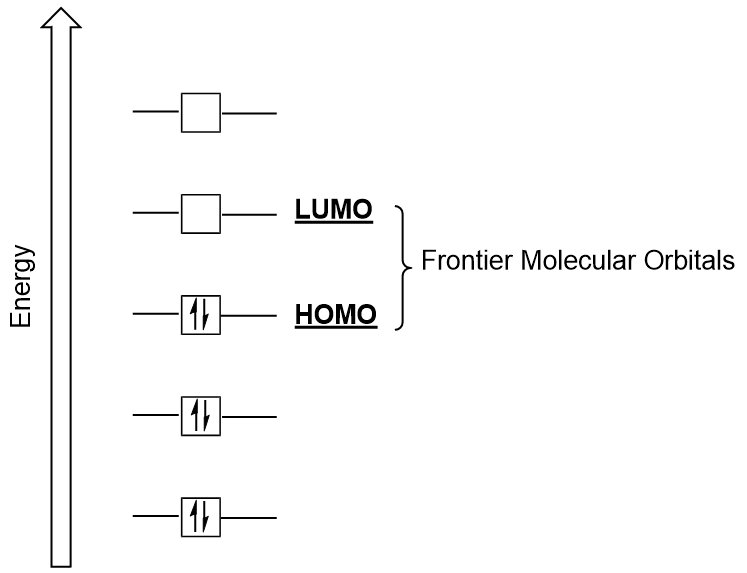
Dr. Norris discusses frontier molecular orbitals: the HOMO and LUMO. He also discusses applications in understanding reactions and in UV/visible absorption s...
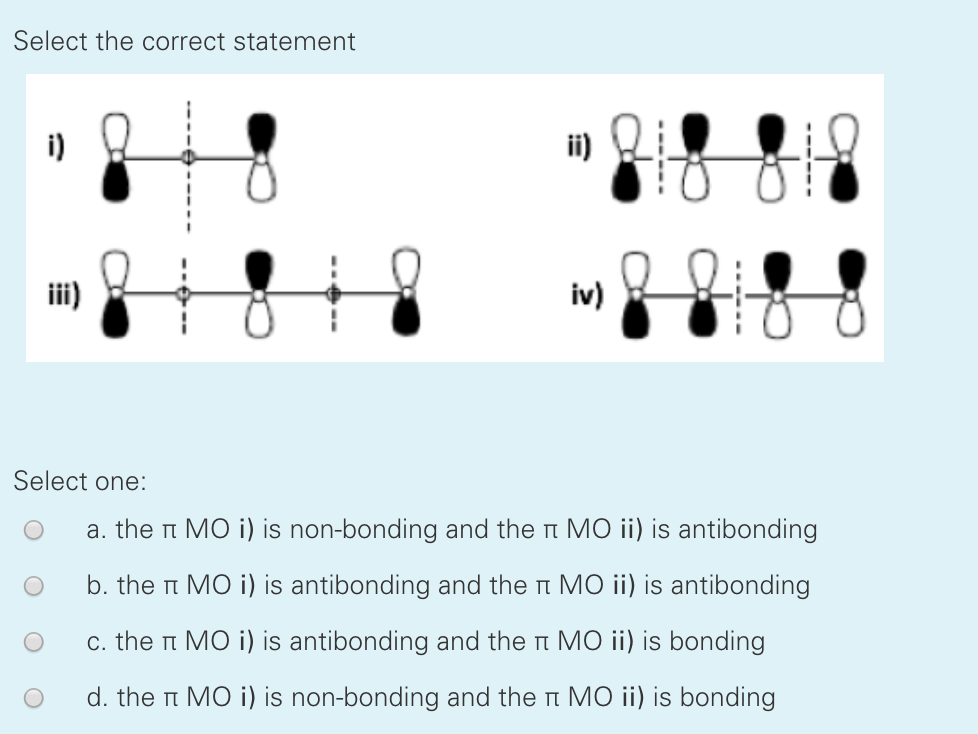
Solved Construct A N Molecular Orbital Diagram For The Chegg Com
In sp hybridization, one s orbital and one p orbital hybridize to form two sp orbitals, each consisting of 50% s character and 50% p character. This type of ...
Thinfilmsliterature Files Wordpress Com
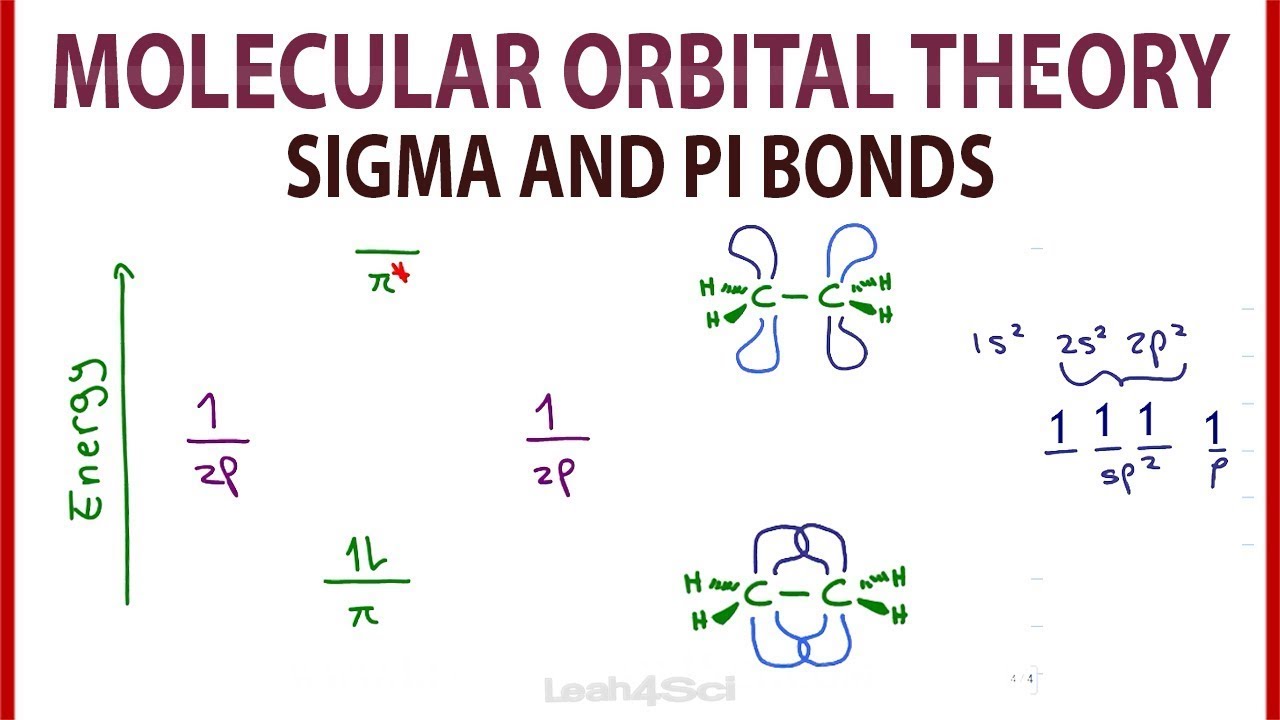
Pi bonds and sp2 Hybridized Orbitals. Created by Sal Khan.Watch the next lesson: https://www.khanacademy.org/science/organic-chemistry/gen-chem-review/hybrid...
8 4 Molecular Orbital Theory Chemistry Libretexts
The molecule 1,3,5-hexatriene contains six p orbitals which all overlap but in a linear fashion. As with benzene, this overlap creates 3 stabilized bonding molecular which are completely filled with six p electron. As expected, the conjugation creates a marked increase of stability in 1,3,5-hexatriene but not as much as in benzene.

Can Someone Explain How Do I Set Up A Molecular Orbital Diagram Socratic
Molecular orbital Diagram Khan Academy. the periodic table electron shells and khan academy the bohr model and atomic orbitals using an element s position in the periodic table to predict its properties electron configuration and reactivity representing structures of organic molecules khan academy to log in and use all the features of khan ...
Molecular Orbital Diagram Wikipedia
The electrons in an atom are arranged in shells that surround the nucleus, with each successive shell being farther from the nucleus. Electron shells consist of one or more subshells, and subshells consist of one or more atomic orbitals. Electrons in the same subshell have the same energy, while electrons in different shells or subshells have different energies.

Use The Molecular Orbital Diagram Shown To Clutch Prep
4 9 Molecular Orbitals Chemistry Libretexts

11 5 Molecular Orbital Theory Chemistry Libretexts

Introduction To Frontier Molecular Orbital Theory 4 2 Youtube

Molecular Orbital Theory Boundless Chemistry
Molecular Orbitals Introductory Chemistry 1st Canadian Edition
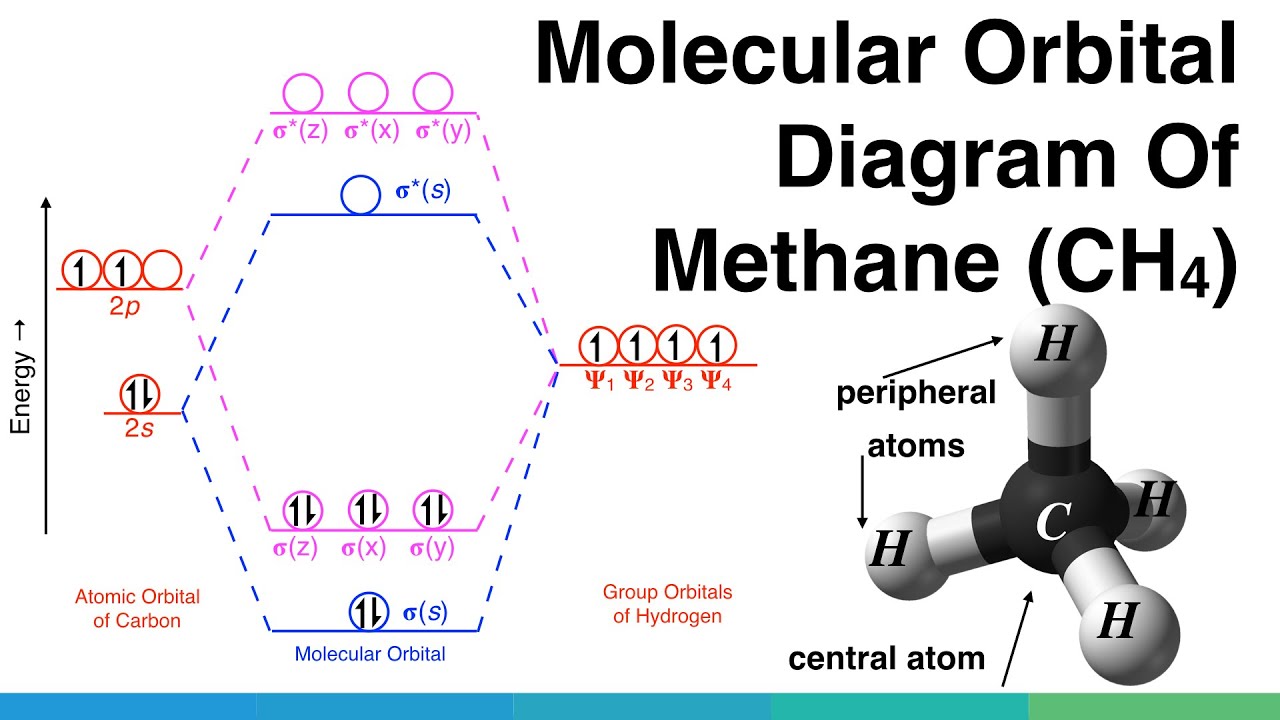
Molecular Orbital Mo Diagram Of Polyatomic Molecules Beryllium Dihydride Beh2 And Water H2o Youtube

Mo Of Allyl Cation Allyl Radical And Allyl Anion Chemistry Periodic Table Radicals

Mo Diagram Of H3 H3 Linear H3 H3 Triangular Preparation Of Gate Csir Net Uset Set Exam Youtube
Why In Molecular Diagram Of N2 Energy Of Pi Bonding Is Lower Than Sigma 2px Bonding Quora
Aromatic Stability I Video Khan Academy

Molecular Orbital Theory

Molecular Orbital Theory Tutorial And Diagrams Video Lesson Transcript Study Com
Molecular Orbital Theory Chemistry I
Solved Given A Molecular Orbital Diagram Below Determine If Chegg Com
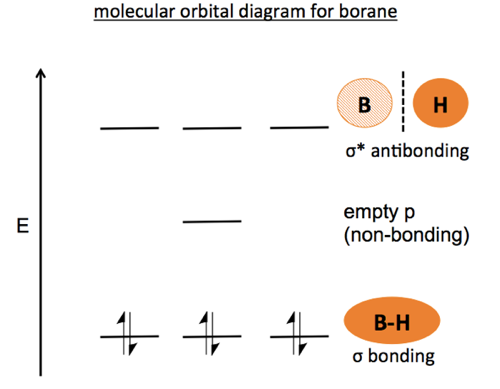
Organic Chemistry 03 Bonding Atomic Orbitals And Molecular Orbitals

Molecular Orbital Diagram Wikipedia

Solution Utilize The Molecular Orbital D Chemistry

Molecular Orbitals Introductory Chemistry 1st Canadian Edition Clone
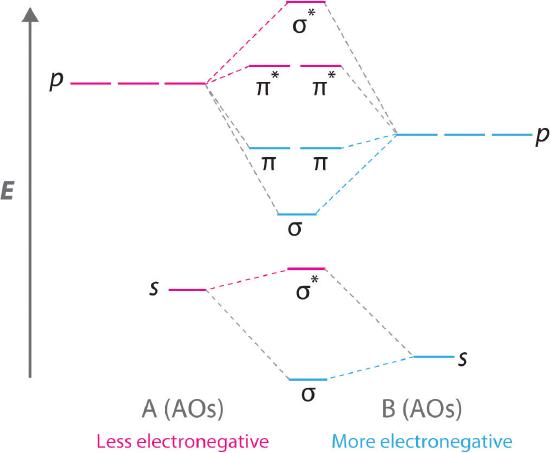
11 5 Molecular Orbital Theory Chemistry Libretexts

Use The Molecular Orbital Diagram Shown To Clutch Prep
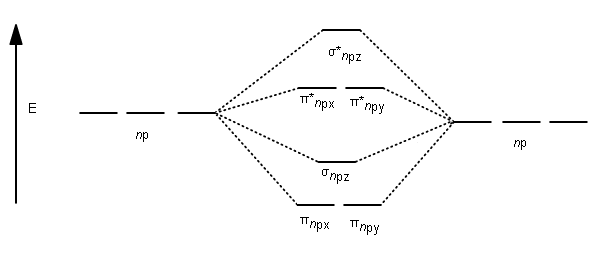
Can Someone Explain How Do I Set Up A Molecular Orbital Diagram Socratic
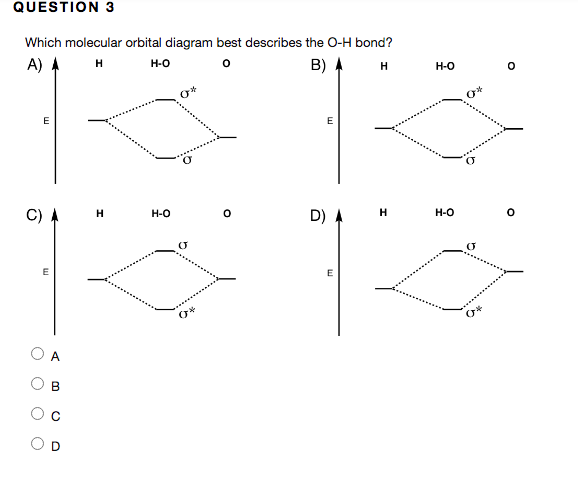
Solved H Question 3 Which Molecular Orbital Diagram Best Chegg Com
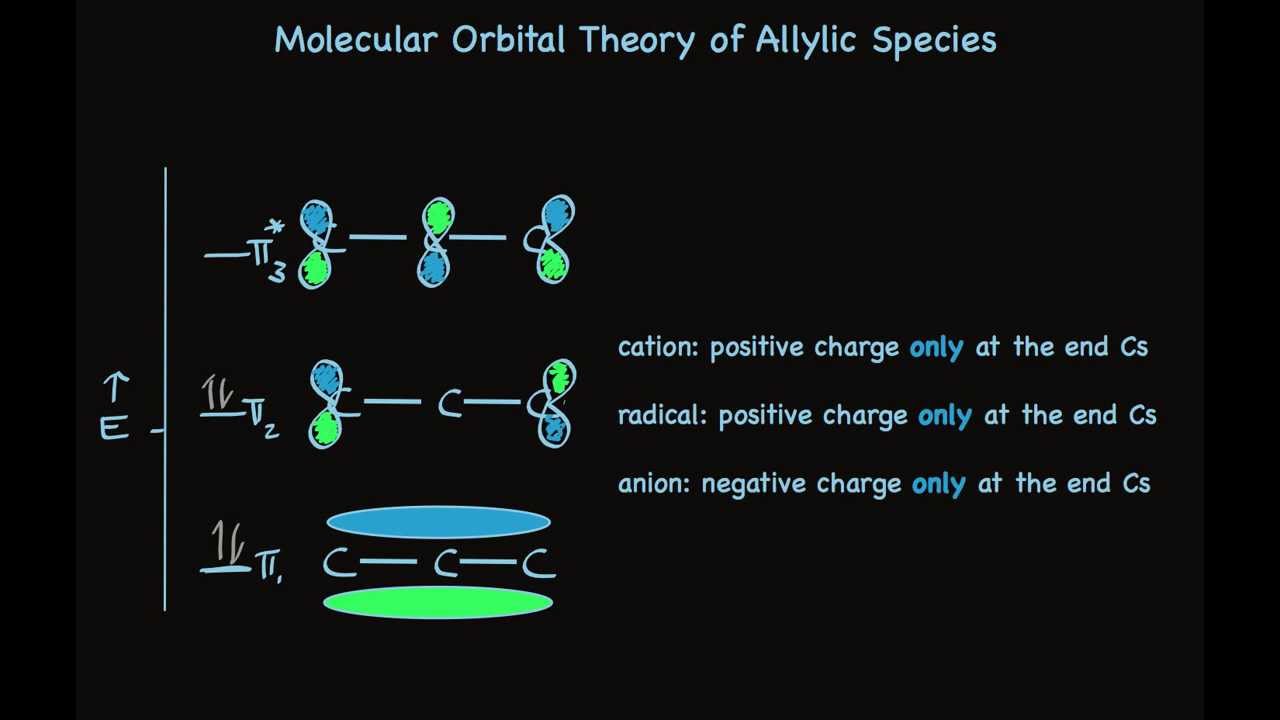
Molecular Orbital Theory Of Allylic Cations And Radicals Youtube


Comments
Post a Comment